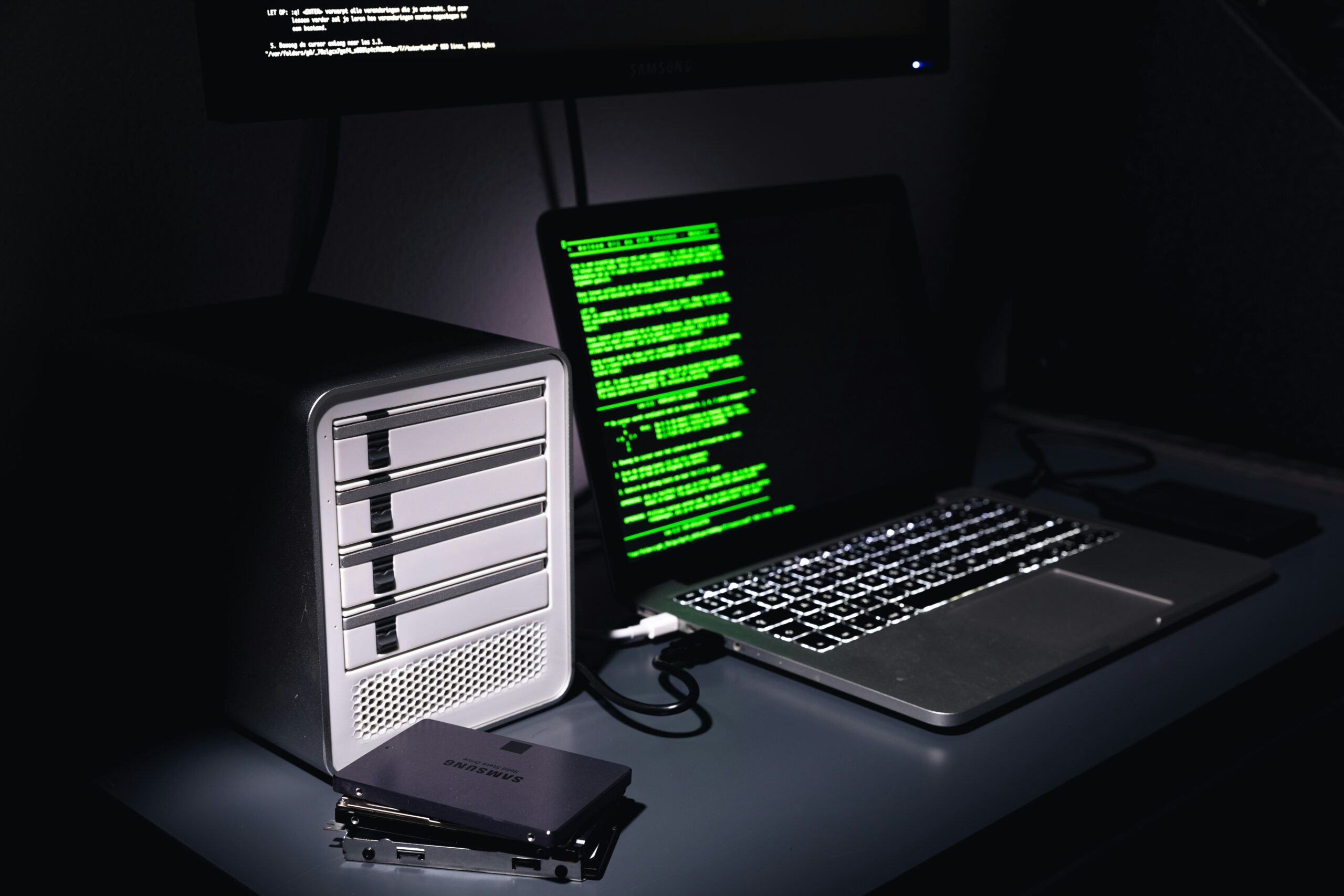
Ransomware operators have a simple playbook: encrypt critical systems, steal data for extortion, and, increasingly, try to cripple your backups to remove your leverage. That’s why U.S. guidance remains crystal clear: maintain immutable, offline backups and regularly test recovery as part of a broader resilience program. CISA’s #StopRansomware guide (updated through October 2023 and still a canonical reference) provides a prioritized blueprint for preparation, prevention, and response—one that proved directly relevant across 2025’s high‑profile cases. [cisa.gov]
Early 2025’s joint FBI/CISA/MS‑ISAC advisory on Ghost/Cring ransomware highlighted familiar attack paths—exploited perimeter vulnerabilities (e.g., Fortinet FortiOS, Exchange, ColdFusion), weak MFA, and insufficient segmentation—before lateral movement and payload deployment. The mitigations reinforce fundamentals: patch the known‑exploited, segment aggressively, and assume the adversary will target backups. In parallel, CISA continues to add to the Known Exploited Vulnerabilities catalog and publish OT‑specific guidance—each new entry or principle nudging defenders to reduce exposure and plan for rapid operational recovery. [ic3.gov] [cisa.gov]
BCDR essentials to validate this quarter
- 3–2–1(+1) with immutability. Keep at least one offline/immutable copy—ideally on a separate platform, account, or medium with retention locks. Test the lock; misconfigurations are common and negate the control. [cisa.gov]
- Live restore drills—identity first. It’s not enough to back up files: rehearse restoring identity systems (AD/Entra ID), core apps, and databases against your RTO/RPO. Document outcomes and improve. [cisa.gov]
- Segment the backup plane. Treat your backup console like a crown‑jewel app: isolate management networks, enforce MFA, and centralize logging/alerting for policy changes (especially retention and immutability). [cisa.gov]
- Patch pathways, not just endpoints. Review remote access, MTA/M365 hygiene, and public‑facing apps against KEV items; many ransomware intrusions still start at the perimeter. [ic3.gov], [cisa.gov]
What “good” looks like in 2026
Organizations that recover quickly share two traits: (1) evidence‑backed confidence from regular, scripted restore tests that include identity and complex applications; and (2) blast‑radius control via segmentation and least‑privilege. These don’t eliminate incidents—but they turn existential threats into operational nuisances. [cisa.gov]
How we help
Our Managed BCDR service designs and operates immutable, multi‑target backups (on‑prem + cloud), runs quarterly restore exercises, and aligns runbooks to CISA guidance—so you can meet business RTOs even under ransomware pressure. [cisa.gov]